


JP: Christopher, thanks for your time today. Could you tell us about your professional background and what inspired you to create the new hospitality brand Liyongo?
CN: I arrived in Zanzibar in 2021 to take a break from a series of Covid 19 lockdowns in London. So I took a pause, and took a flight to Tanzania to start a new chapter, the story as yet though was yet to take form.
I’d spent the past 10 years delivering international digital transformations as an architect and project manager. But my passion has always been for community-focused hospitality businesses. Preceding my time as a project manager, I’d spent 8 years launching multiple coffee shop brands in the UK with a special focus on community building.
What I experienced in Zanzibar was different from the typical tourist experience. I stayed amongst the local community in Nungwi in the north of Zanzibar with my brother-in-law’s family (he is native Tanzanian). The people and place brought me back to life – literally, from staring into a computer screen day-in-day-out, to now looking up rather than down, connecting rather than disconnecting.
There was a frustration though from my time in Zanzibar. It was twofold – first, tourists were bypassing the spirit and energy I’d experienced amongst the local communities in the north. And the local communities were missing out on the wealth that tourism generates from the tourists staying at the beachfront resorts.
So the mission was upon me – how to bridge this, to provide a resort experience that champions the people of Zanzibar, it’s wealth of talented artists, artisans, performers and more, and in turn provide guests with a truly authentic experience of people and place.
JP: What would you say is Liyongo’s brand DNA, and what are the core ideas, values and beliefs that will define its approach to hospitality?
CN: Liyongo is based on three core principles. First, the architecture and experience of staying at Liyongo is that of a timeless village community, inspired by the vernacular of coastal Zanzibari life. Inspiring present-moment experiences, we have designed spaces that encourage social connection rather than disconnection. A curiosity to engage with the world around us rather than looking down – it’s about looking up.
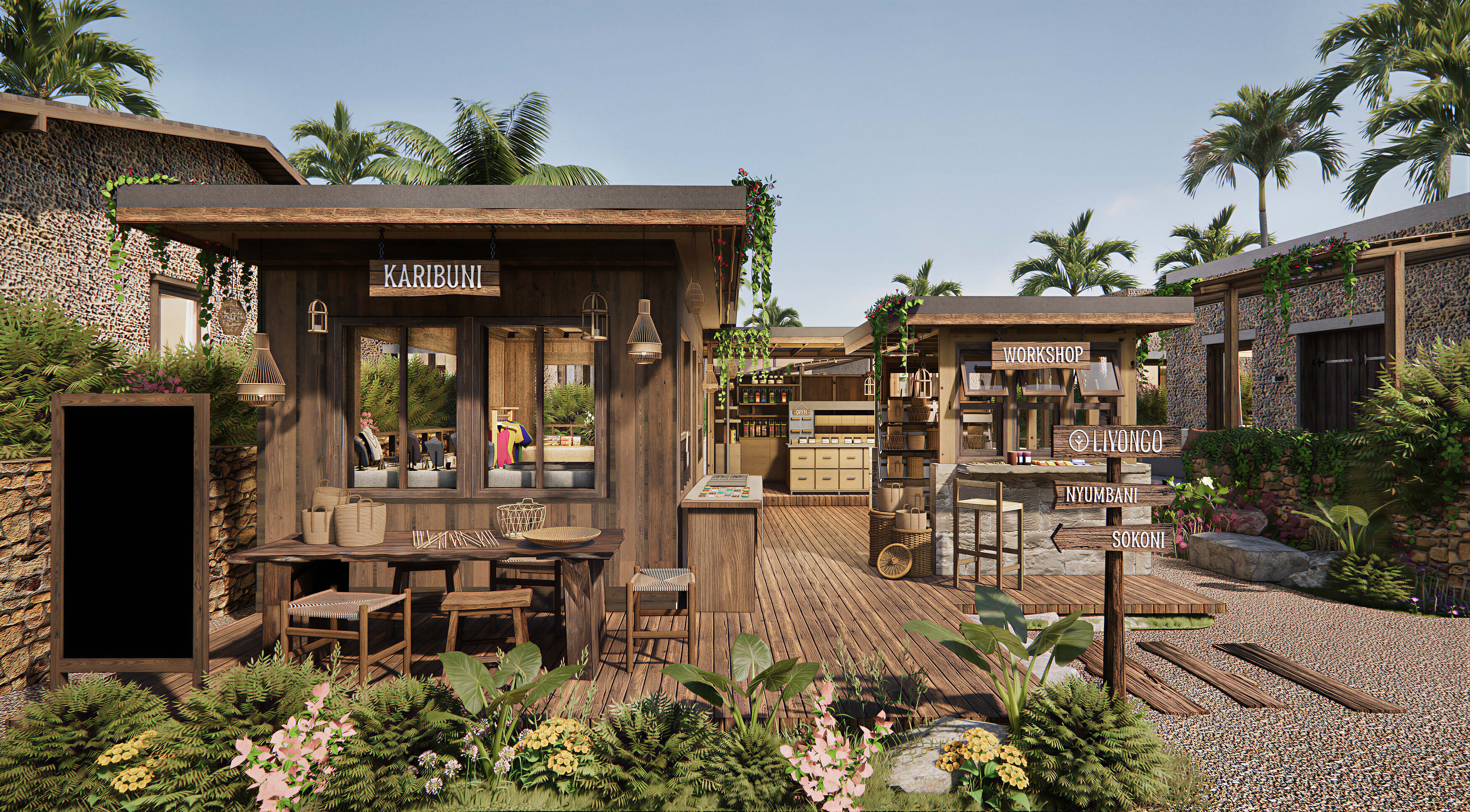
Second, Liyongo is a platform for Zanzibar’s hidden talents to showcase their gifts. It’s all about giving opportunity where others may turn a blind eye. An exhibition space, surrounded by an artisan village of market stalls, with classes and performances providing guests with an experience of the real Zanzibar. And in turn, transforming local livelihoods and communities we hope for generations to come.
Finally, working hand-in-hand with Kendwa’s (our village) leadership to support no less than 3 initiatives at any one time via our projects team in the local community. To start, we’re providing free water for those in the village who don’t currently have access. Then, cleanup initiatives to tackle local pollution. And finally, provisions for school children in the village so that they arrive at school ready to flourish.
JP: What do you want Liyongo to be known for, and what is the key messaging you want the brand to communicate to the market?
CN: Liyongo is what I call an integrative community experience. It melts seamlessly into the local surroundings both architecturally and culturally. We want to give our guests a different kind of experience that champions connection, community and curiosity – and pass on a few ideas that ripple outwards.
JP: Who are the key people behind Liyongo, and how has their combined experience influenced the development of the brand?
CN: Liyongo is a British-Tanzanian family-owned business. It is me and my brother-in-law Victor, with a supporting team that includes hotel experts across operations, sales and marketing, and crucially finance, totally 95 years of combined experience. What makes a project like this successful is expertise at both the local Tanzanian level – e.g. how to actually get things done in the country without hitting roadblocks – and the expertise at the international level, to augment the quality to the highest possible standard, and attract/host guests spending up to $800 per night.
JP: Why did you choose Zanzibar for Liyongo’s first development, and what made Kendwa the right location for the project?
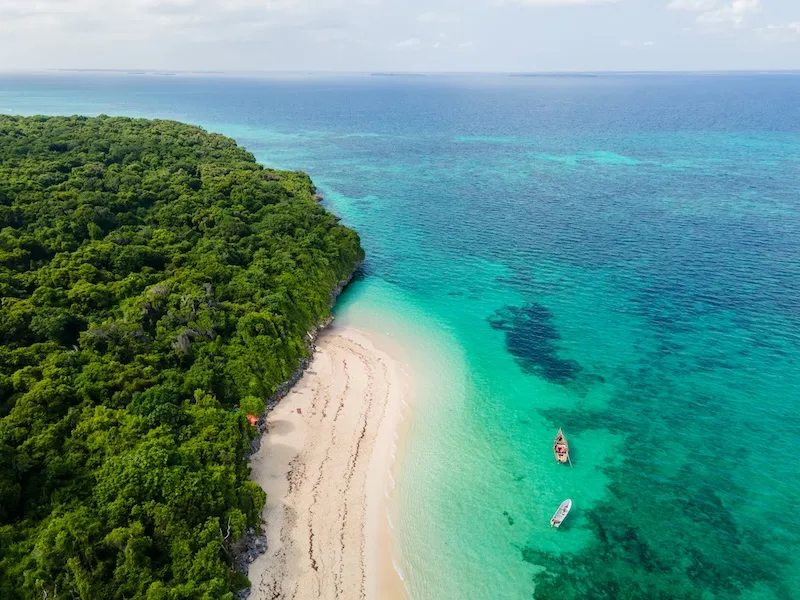
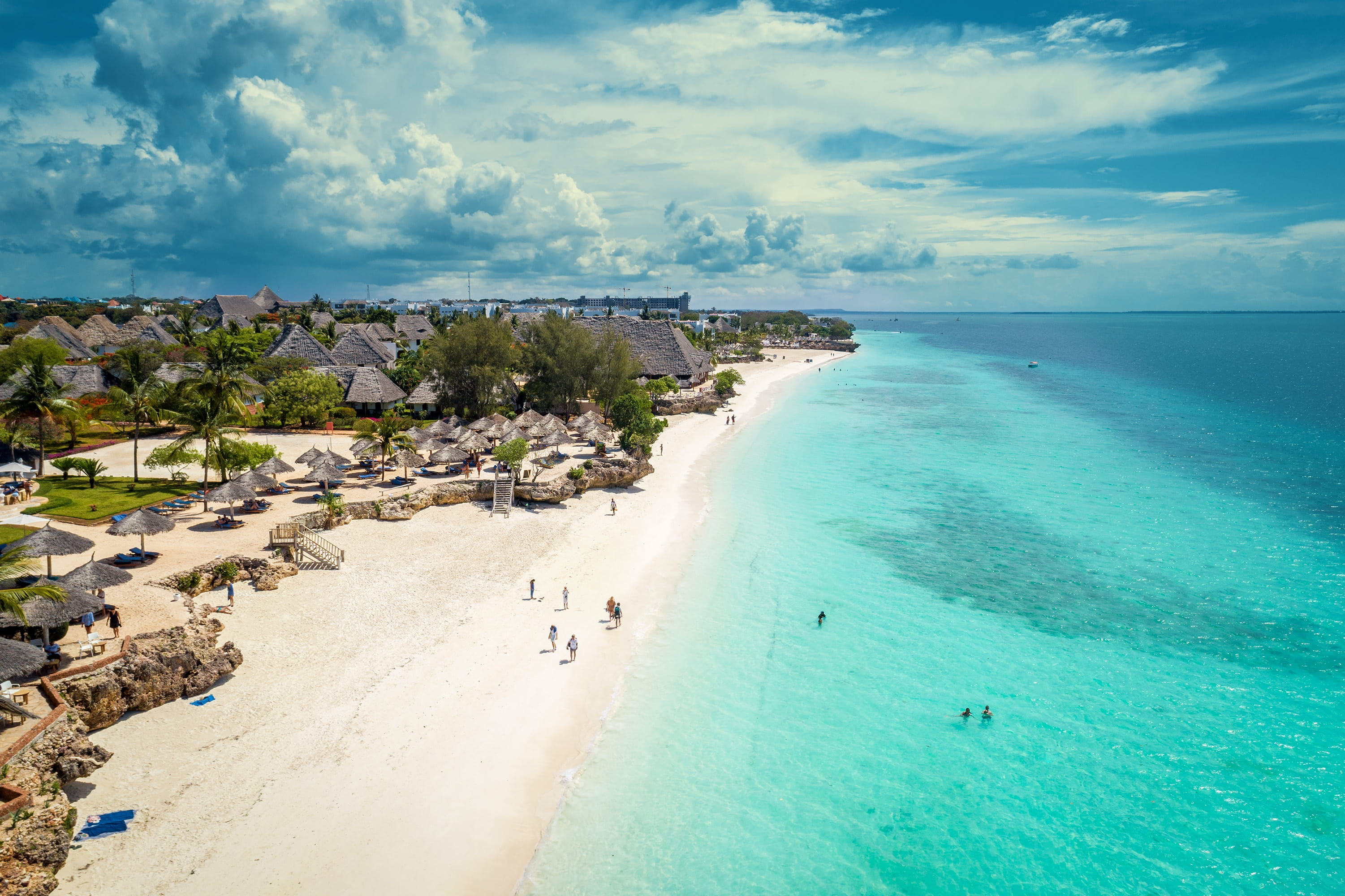
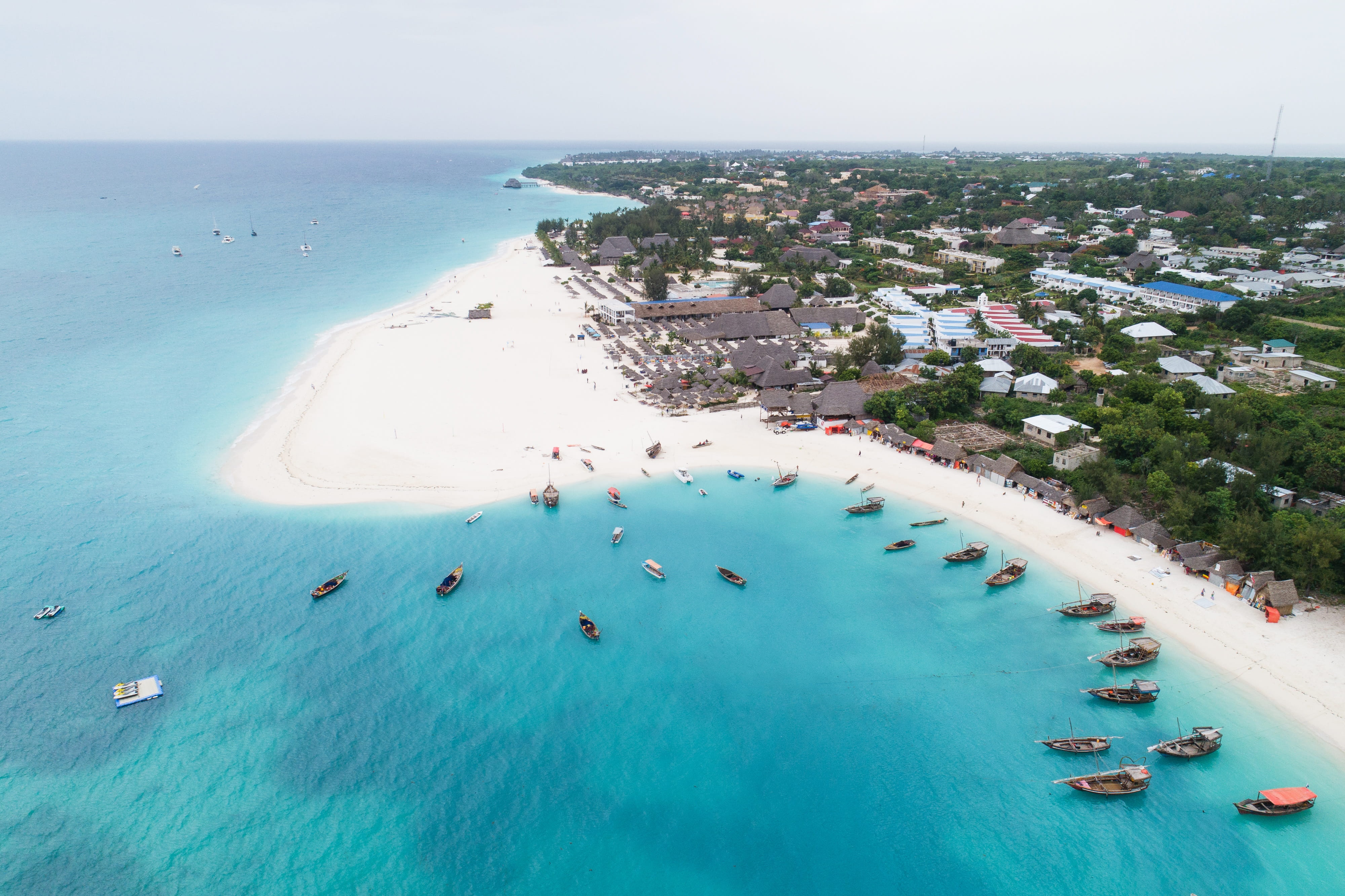
CN: Kendwa is Liyongo’s first location – an upmarket, beachfront village on the north west coast of Zanzibar. It hosts the full moon party every month where the village fills up – and getting a hotel room can be nearly impossible! – as well as featuring, in my opinion, one of the island’s best beaches. This is because the beach at Kendwa is swimmable all-day and year-round. Whereas the tides on the east coast retract for hundreds of metres everyday. This is why Kendwa is so highly sought after.
JP: Who do you envisage staying at or purchasing Liyongo properties, and what kind of experience do you want to create for them?
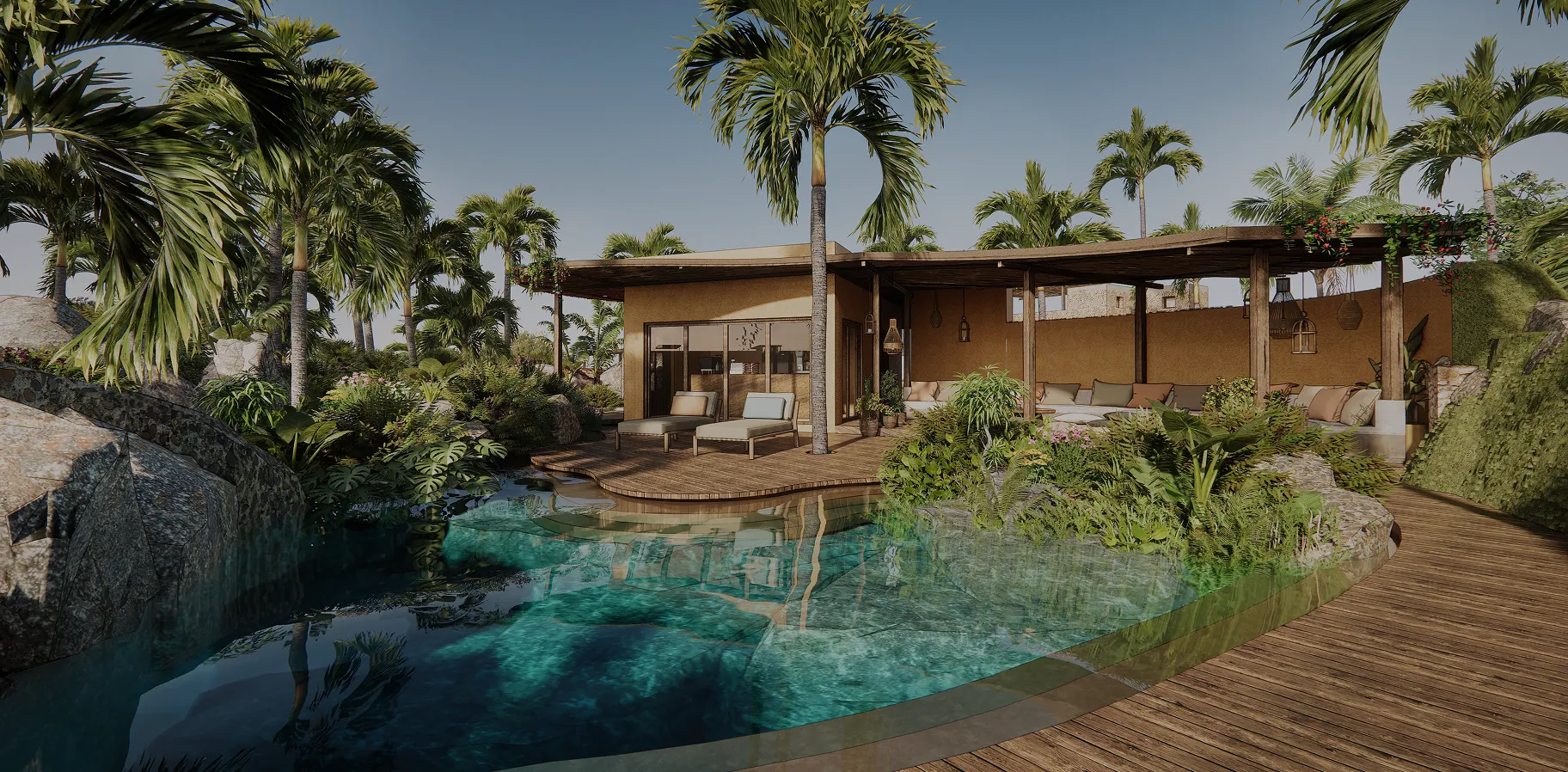
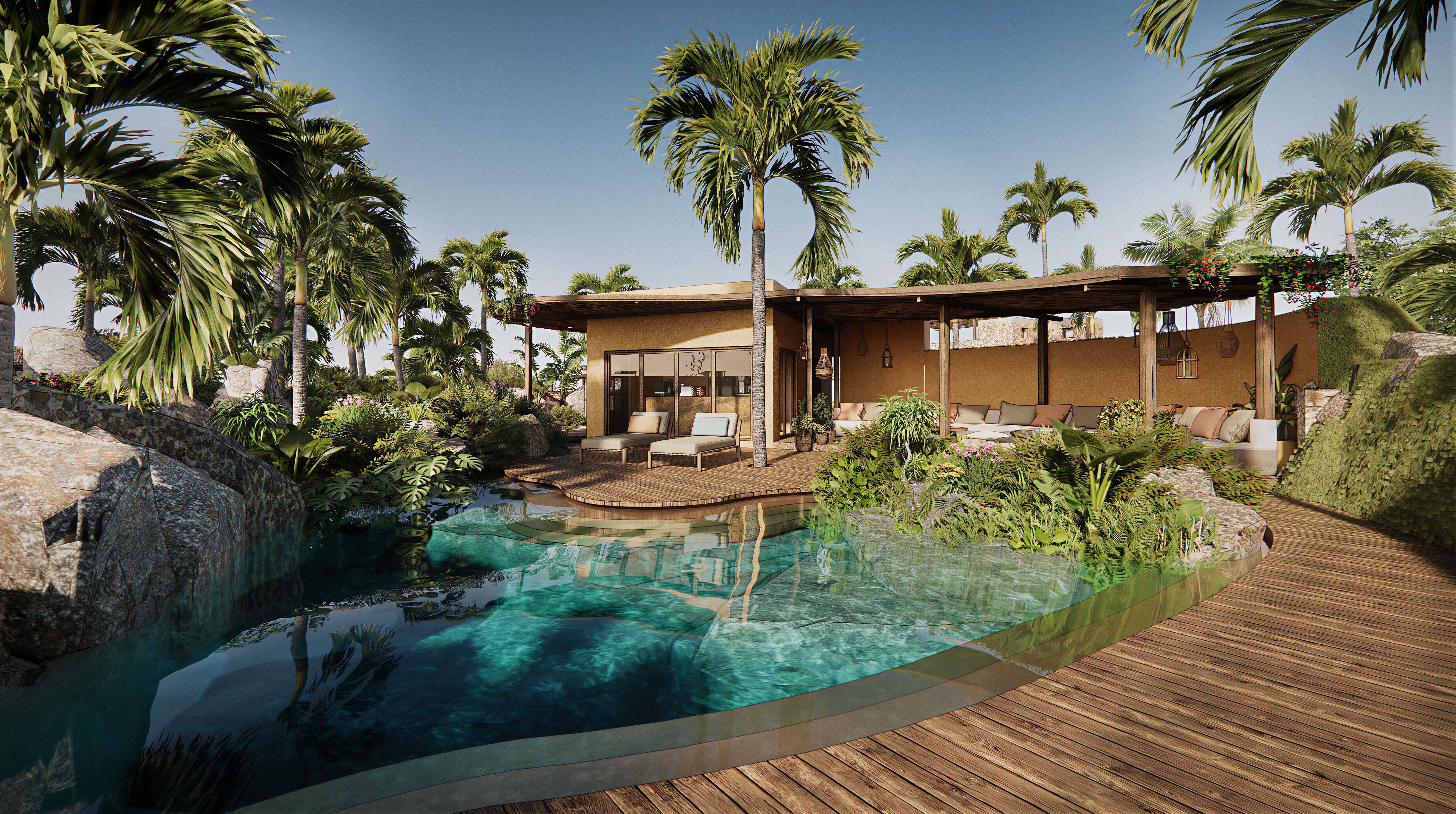
CN: A little context first if I may. Liyongo is a resort of 60 villas in the breezy highlands of Kendwa, just 10 minutes walk from one of Zanzibar’s best beaches. We’re selling our villas off-plan, then renting them out on behalf of the residents. Liyongo, however, is a resort end-to-end, designed to give high-returns as a managed hospitality offering, complete with restaurant, rooftop bar, café, swimming pool and spa experience.
In terms of villa ownership, we’re getting a lot of interest from investors looking to explore East Africa more widely, using Zanzibar as the launchpad. It’s an exciting prospect to own a titled villa in a 5* resort in Zanzibar, yet experience the national parks across the north of Tanzania just an hour’s flight away.
Additionally, Liyongo is built on values that champion the spirit of people and place in the north of Zanzibar, and we’re looking to grow across other sites in our portfolio over the coming years. So we’re seeing a lot of interest in African diaspora investors across the US, UK and Europe, looking to ride the wave the Africa’s growth – especially Zanzibar – with a villa that’s managed year-round, by a team of experienced hospitality experts, from a company that’s formed as a British-Tanzanian partnership (me and my brother-in-law, Victor).
JP: How will owners be able to use their villas for personal stays, and how will the rental arrangements work when they are not using them themselves?
CN: Liyongo develops and operates the resort. Owners get 3 weeks of personal use a year, which they can also gift to friends and family, and for the rest of the year it is part of the mandatory rental pool. Returns are distributed proportionally based on type – so it doesn’t matter if no one stayed in your specific villa, because the income is shared based on the type of villa that guests stayed in. Liyongo sets the prices, services the villa, runs it like its own – after all, we are providing a 5* guest experience, it’s just that the villas are individually titled to the owner, rather than Liyongo.
JP: Why did you choose a vacation-home investment concept for this project rather than a traditional branded residences model?
CN: It is an investment necessarily as we don’t see owners wanting to spend more than 3 weeks a year on the island. Zanzibar is a tourist destination, a hub for onward travel across the region, but not necessarily somewhere you’d want to spend 6 months of the year. Infrastructure here is growing at pace, but it’s best-placed as a villa investment that’s looked after, managed as part of an end-to-end hospitality operation, yet ready and awaiting your return when you need to reawaken your senses amidst the spirit of Zanzibari coastal life.
JP: How has the design of Liyongo Kendwa been shaped by its setting in Zanzibar?
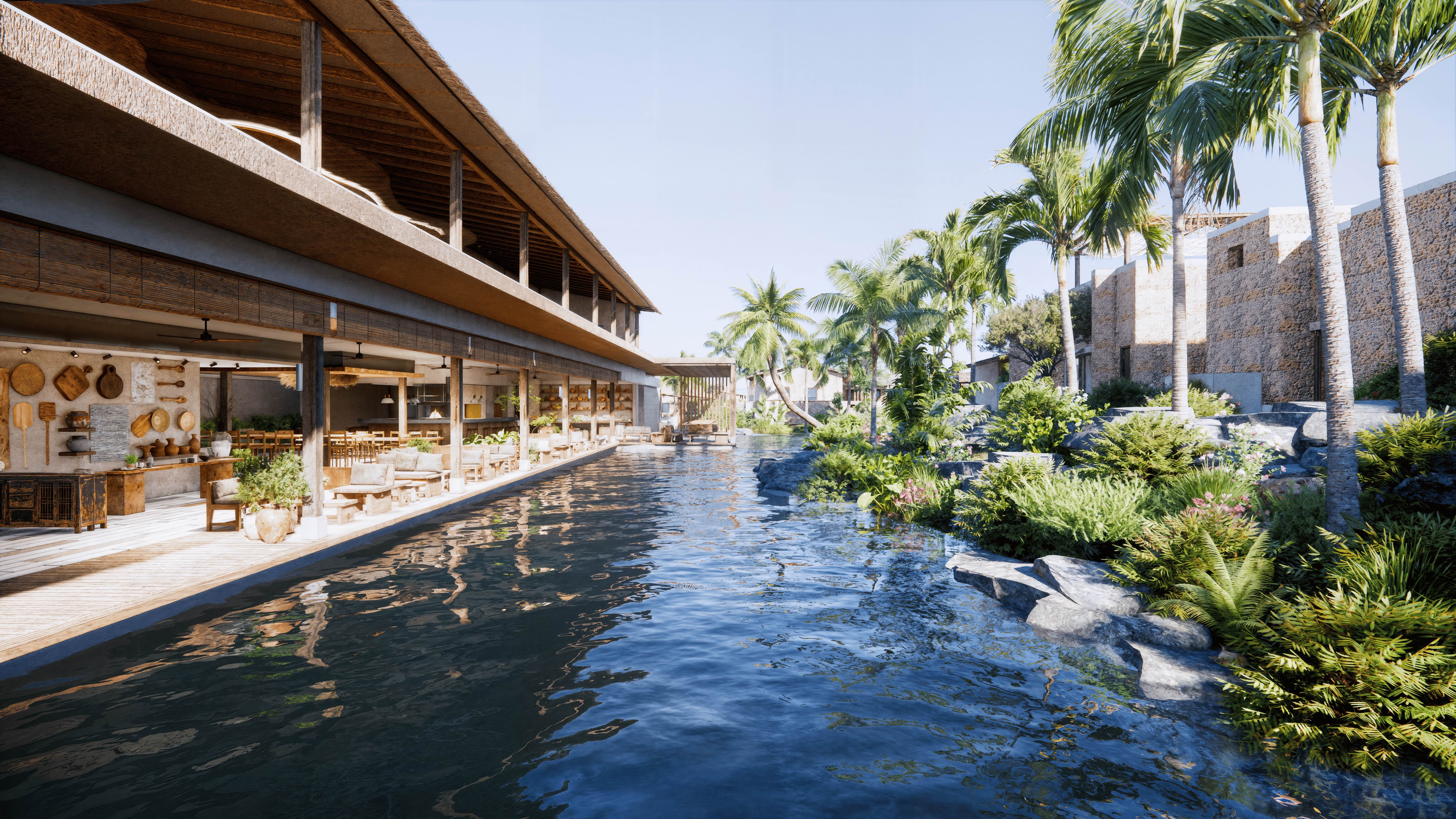
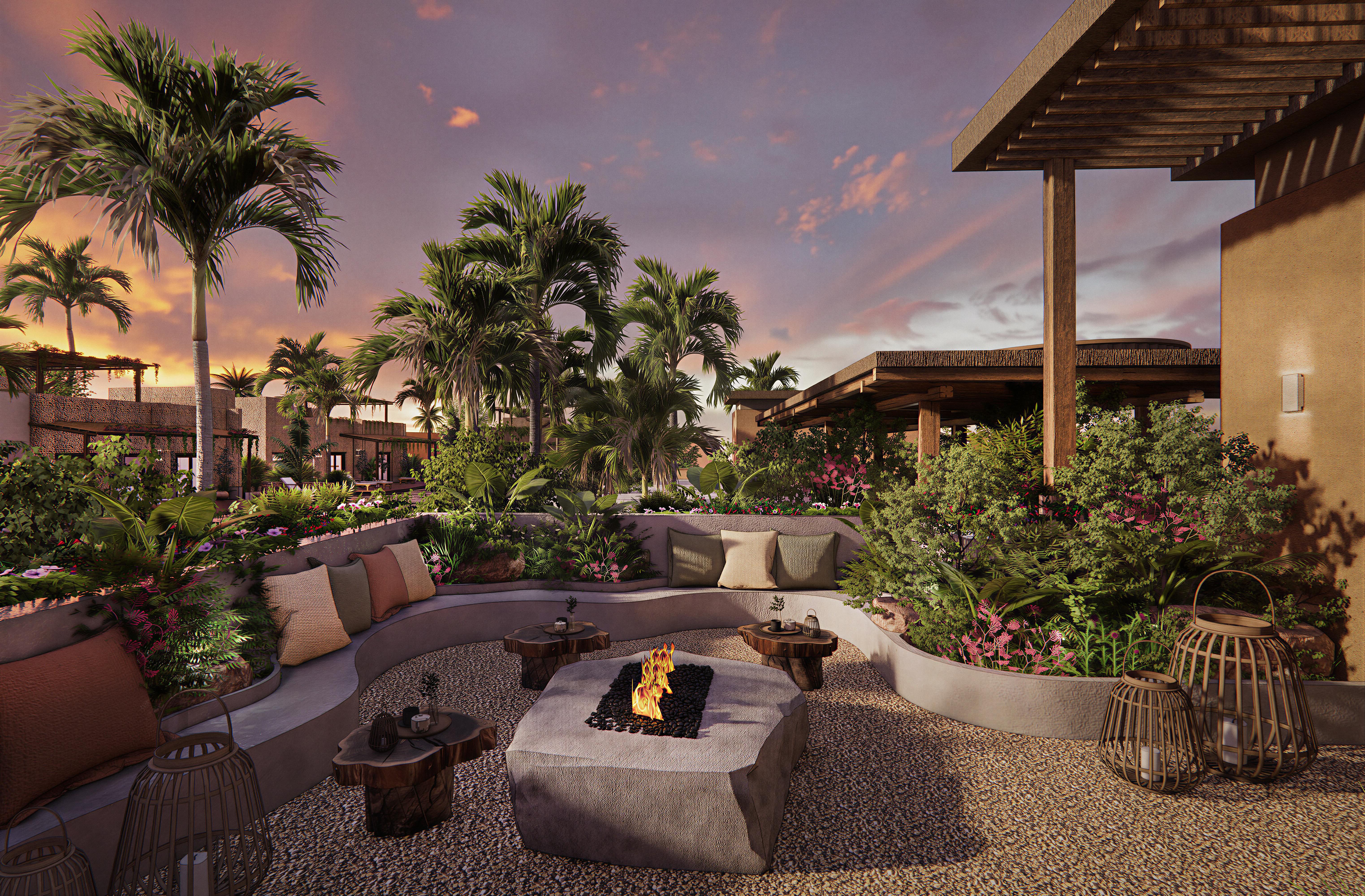
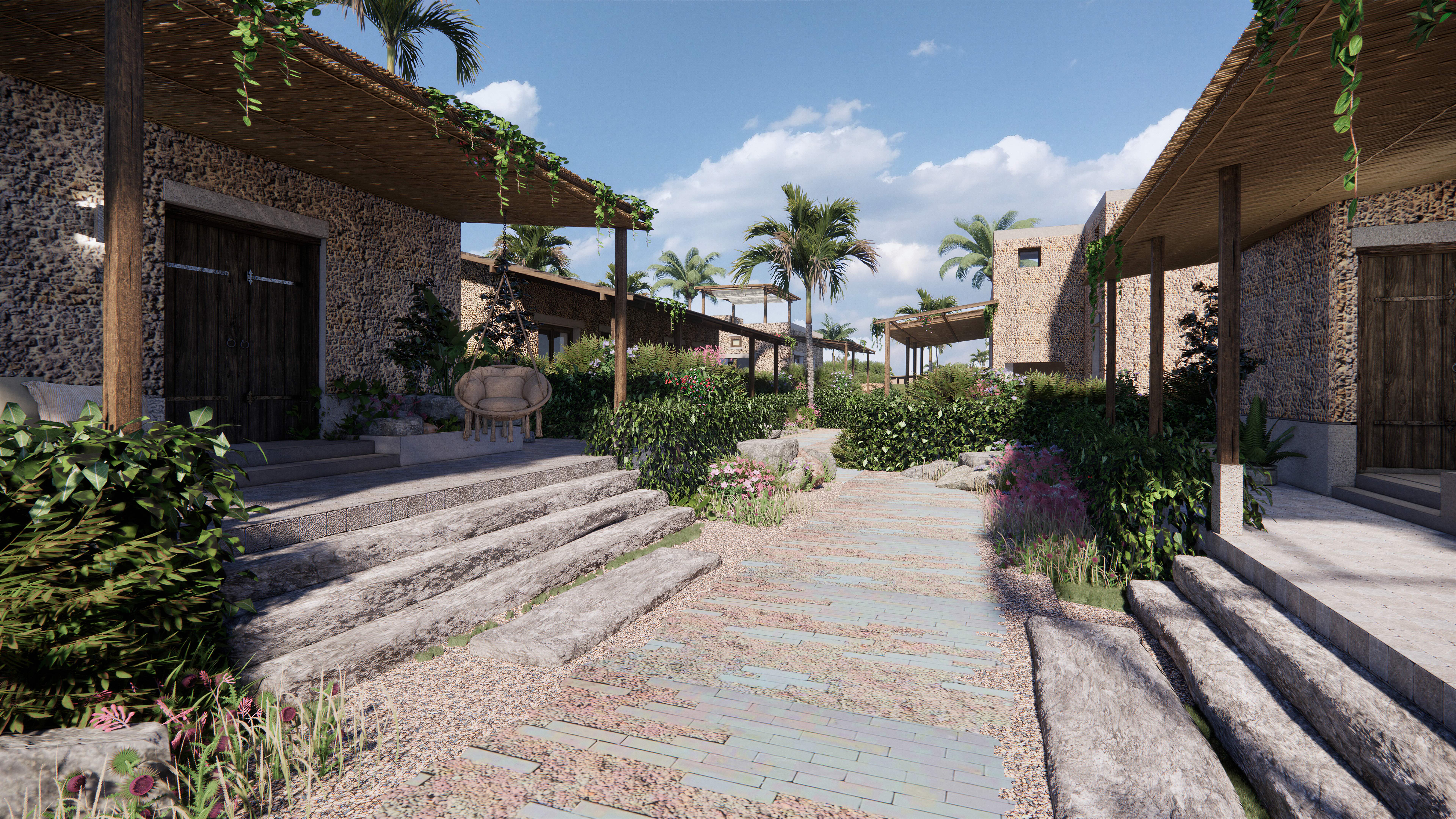
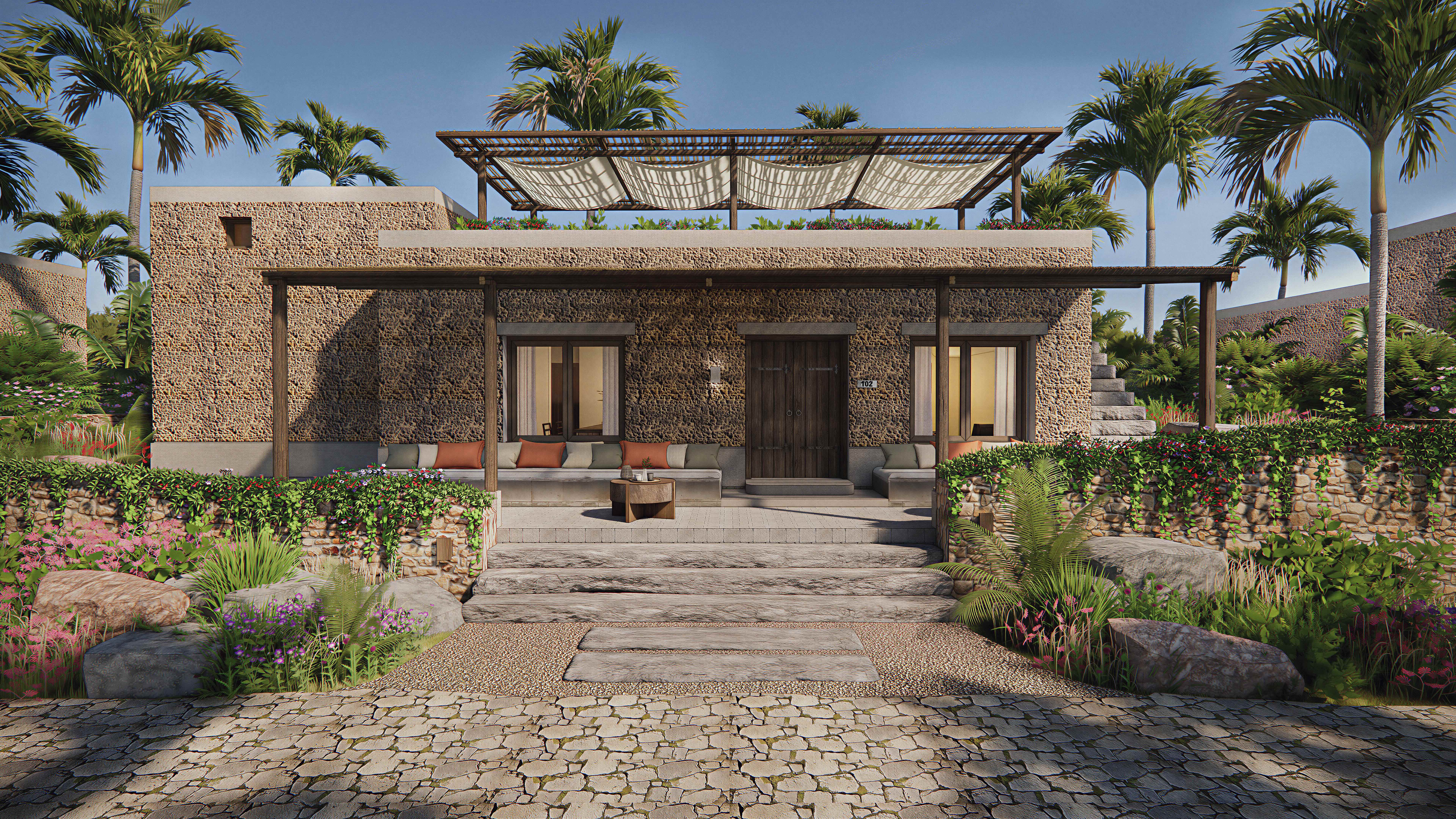
CN: Liyongo is an expression of people and place. A timeless village community, inspired by local life – nooks and crannies, coral stone, light and shadow opening and closing spaces for social engagement and curious interaction.
We wanted to create a resort experience that the staff would be proud to be a part of. Locally-sourced materials, crafted in local styles, made by the hands of local artisans.
JP: What facilities and shared spaces are planned at Liyongo Kendwa, and what will they offer owners and guests?
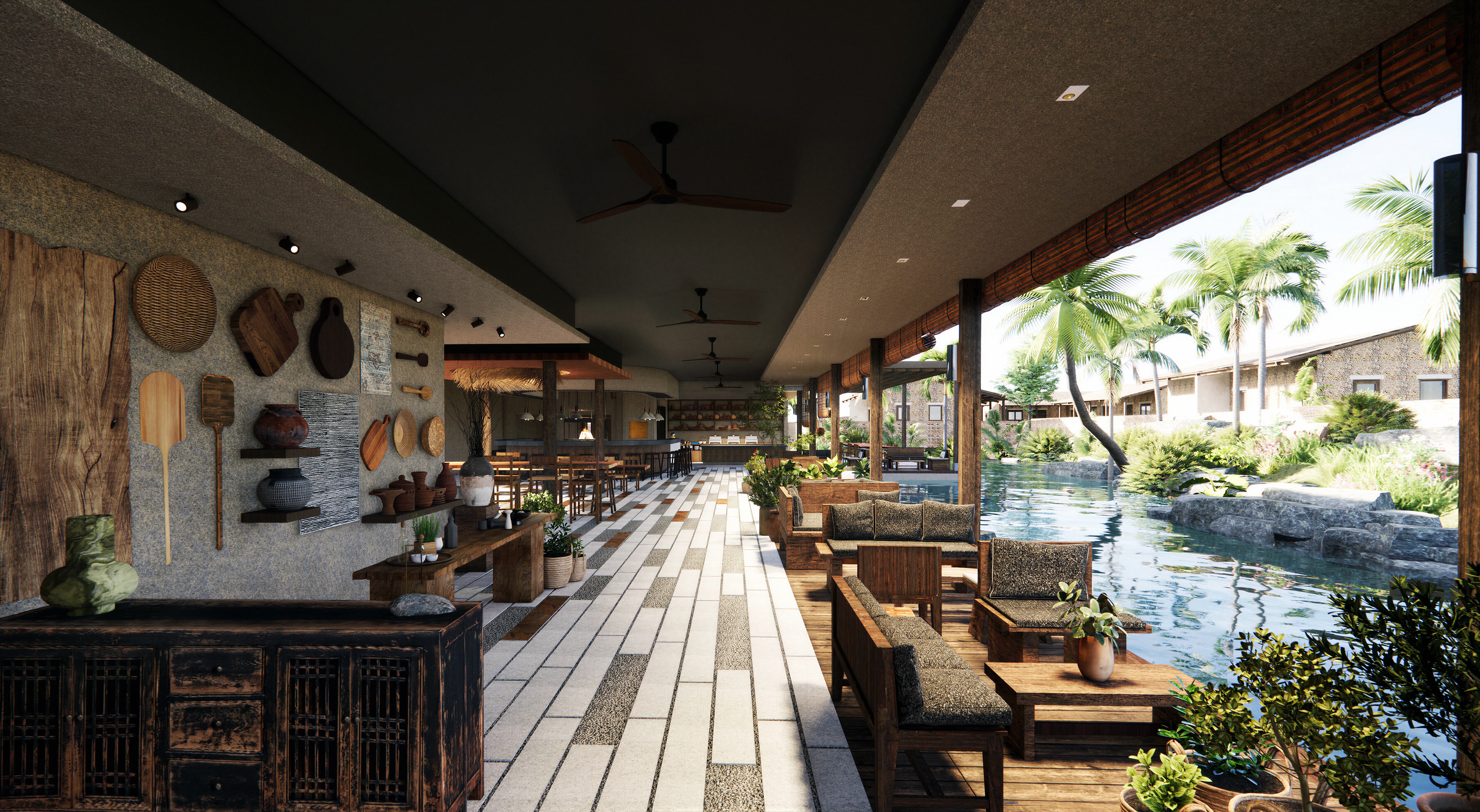
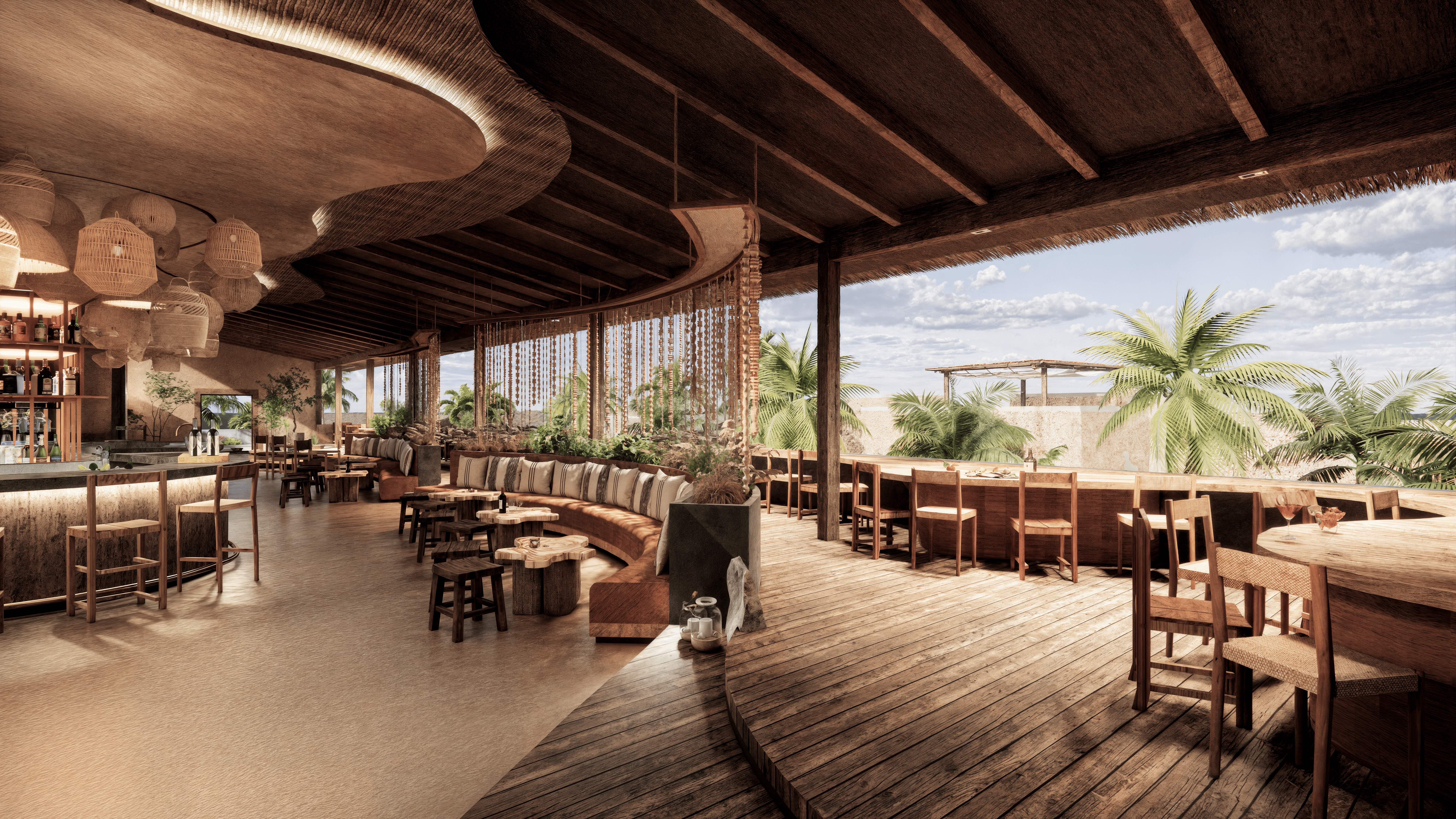
CN: Owners have full access to all amenities at Liyongo, just as if they were paying guests. Liyongo features a specialty café with adjoining salt-water pool, which serves as the source of a resort-wide river that runs from top to bottom. It ends at the open-fire restaurant serving up locally-sourced sharing platters and small plates. Above the restaurant, the rooftop bar with Swahili-spiced cocktails serves up views looking out across the resort.
In the daytime, the spa featuring steam and mist rooms with rockpools is a place to cool off and explore traditional therapeutic applications inspired by ‘kusingwa’ and ‘kujifukiza’. While the exhibition space will feature local artists, surrounded by the artisan village of market stalls showcasing Zanzibar’s most talented creatives.
JP: What role do you want the local community to play in Liyongo Kendwa, and how do you hope the project will contribute to the area beyond the development itself?
CN: We hope the local community see Liyongo as part of their village, not separate from it. So far, the support and engagement we’ve received has been hugely encouraging. Both at a local government level, and at the village level. We’re humble in our aspirations, but also determined to make an impact working alongside Kendwa’s community, to support local initiatives and inspire others in doing so.
JP: What do you see as the main opportunities and challenges for Zanzibar’s tourism and hospitality sector over the coming years, and how is Liyongo Kendwa positioned within that changing market?
CN: Zanzibar is already well-underway with responding to its huge growth in tourism since 2021. New roads are being built, existing ones are being extended, infrastructure is on the up – the island is making the right moves to support the excitement that Zanzibar is generating, and this is only a good thing for guests coming to Liyongo.
Liyongo’s appeal is one of integration. Championing people and place, rather than forcing an agenda on an existing culture that is antithetical to its ways of doing things.
JP: Are further projects in the pipeline, and do you envisage expanding Liyongo’s presence in the branded residences sector by licensing the brand to third-party property developers?
CN: We’re fully-focused on delivering Liyongo Kendwa, as the success of that site will enable the successes of future developments. We own land on the mainland are I’ll be visiting another site next week to explore the opportunity there. And of course, we’re always open to discussions with other developers – Liyongo is an economy of ‘we’ and not ‘me’, so we’re all ears on expanding a concept that we believe has serious legs and most importantly, serious impact.
JP: As Liyongo expands into new destinations, how will you maintain a recognisable brand identity while allowing each development to respond to its own location, culture and community?
CN: This is probably one of the hardest challenges. It’s both architectural and cultural. But what underpins Liyongo are a set of principles architecturally that can be applied to any location. And a set of operational standards that must remain unwavering. The Liyongo ‘product’ in that sense is very-well defined. This means that while although the design and location will change, the type and quality of experience that Liyongo (alongside the impact on local communities) will remain the same.
JP: Looking five to ten years ahead, what would you like Liyongo to be known for, and what are your ambitions for the brand’s future growth?
CN: We’re targeting three resorts completed if we fast forward to 2031 – 5 years – and this will then serve as a platform for either developer-partnerships from years 5-10, or more rapid expansion through investment to enable more rapid growth in years 5-10. We’re humble though – we’re not getting ahead of ourselves.
We think big and we’re beyond driven in what we want to achieve, but always with our feet firmly on the ground. Grounded, in the present moment, so to speak – very much the Liyongo way of doing things.
Jason Payne is Founder of BRESI. Established in 2024 as the worlds first marketplace and news media company for the branded residences sector.
Share this post